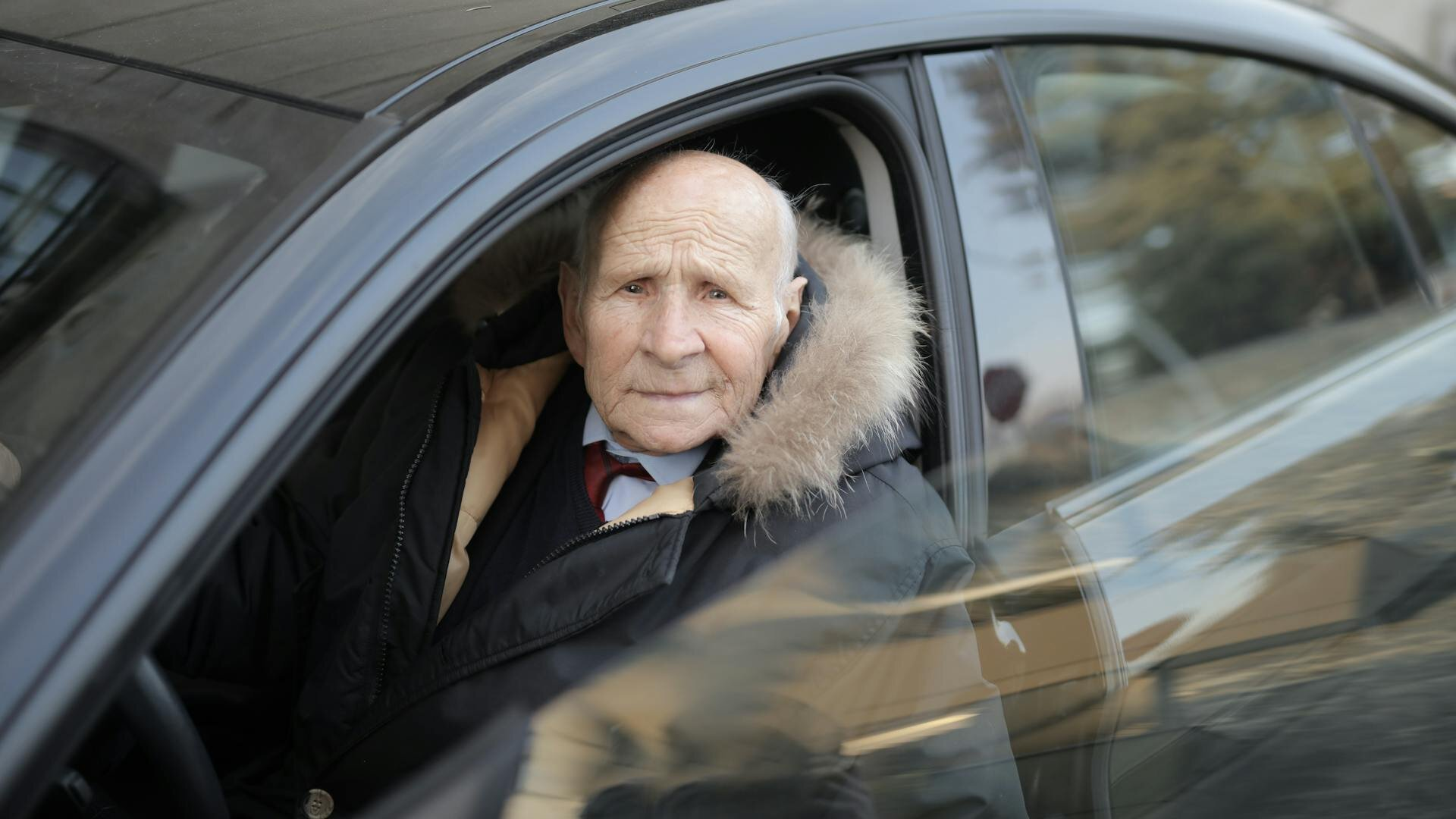
Loneliness among older people has been described by the Chief Medical Officer as a public health emergency. Research published in 2024 found that around 1.4 million older people in England are often or always lonely. The health consequences are serious: loneliness is associated with a 26% increased risk of dementia, higher rates of depression, and a shorter life expectancy equivalent to smoking 15 cigarettes a day.
How Home Care Addresses Isolation
For many older people, a visit from a care worker is one of their primary points of human contact in a day. This places home care workers in a uniquely important position – not just as providers of practical support, but as companions and connectors. A skilled care worker notices when a client seems low, when they have not spoken to family recently, or when they are withdrawing from activities they previously enjoyed.
At Your Care Solutions, we train our care workers to be alert to signs of loneliness and isolation, and to use visits as opportunities to engage meaningfully. We also support clients to maintain connections to their communities – accompanying them to social groups, helping them use video calling to speak with family, or simply sharing a cup of tea and a conversation.
The Government Response
The Government appointed a Minister for Loneliness in 2018 – the first in the world – and Integrated Care Systems are now expected to include addressing loneliness within their population health plans, recognising that social isolation is a health issue, not merely a social one.
What You Can Do
If you are concerned about an elderly neighbour or relative who may be isolated, small and regular acts of connection make a real difference. Professional home care can also play an important role – providing not just practical support but the reliable human presence that sustains wellbeing. Speak to us if you would like to explore how we can help.